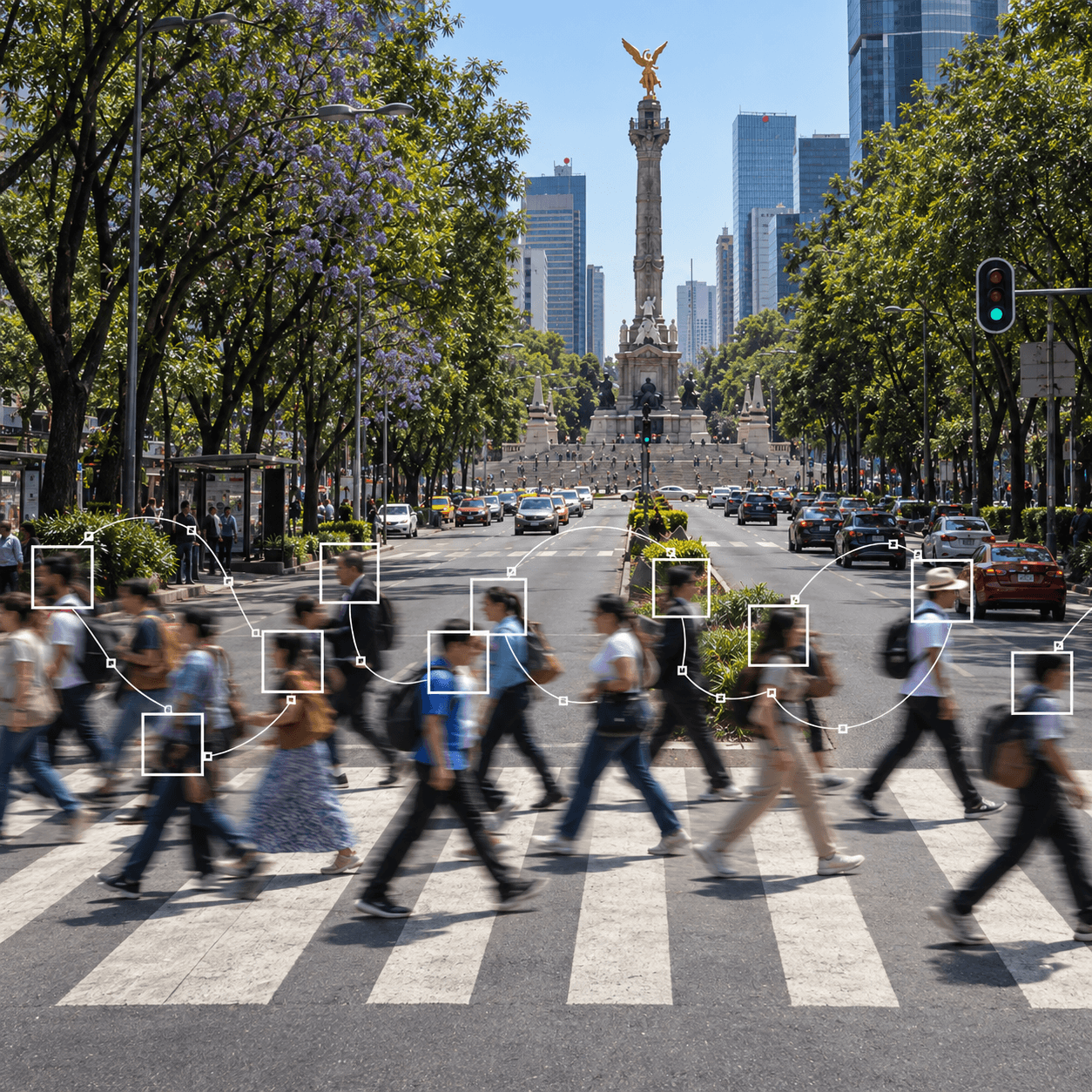
Model every decisionacross possible scenarios.

Reasoning builds simulated populations and environments grounded in real-world behavior and conditions. Test a product, price, message, or strategy across the scenarios that matter to your business—then predict outcomes before you commit.

Run a simulation

How does a population
respond to change?

Introduce a stimulus and test it under different conditions. Compare individual responses and the result across the population.

Each square represents a person. The same population is used in every scenario.

What do you want to test?

01 / Products

Who would try your next product?

Explore what draws people in, what makes them hesitate, and what they would choose instead.

Example questions

  • What would make people switch from their current product?
  • What would stop an interested customer from buying?
  • Would this attract new customers or replace existing sales?

02 / Messaging

Same audience. Different message. What changes?

Compare how people interpret your message, what holds their attention, and whether it changes their intent.

Example questions

  • What does each audience take away from the message?
  • Which claims build trust, and which raise doubts?
  • Which version makes people more likely to act?
Concert entry01Enter at Gate 2on North Street.Bank fee increase02Monthly fee risesfrom $3 to $5.Brand name change03We’re now Nova.Same service.ConcertgoersCardholdersCustomersSimulatedReactionsI know where to goGate 2 is my entryWhere do I queue?What do I get?I may switch banksWhen does it start?Same company, got itWere they bought?Will my plan change?

03 / Policies

What would a new policy change for people?

Test a change in the rules—such as a return policy—and explore where it encourages action or creates friction.

Example questions

  • Would a shorter return window change purchase decisions?
  • Would a cancellation fee reduce no-shows or deter bookings?
  • Who would be excluded by new eligibility requirements?
RETURN WINDOW30 days → 14 daysReturn requestedPurchaseDay 14Day 20Day 30Return acceptedDay 20 is within the return window.Return declinedDay 20 is outside the return window.ILLUSTRATIVE SCENARIOAfter a return is declinedShopping behavior over the next 90 days65%Shop as usual25%Shop less10%Stop shopping1 square = 1 customer

04 / Market conditions

Would customers switch to a new competitor?

Change the conditions around your audience. Explore how priorities shift, what people substitute, and what they keep.

Example questions

  • If household budgets shrink, what would people cut first?
  • Would customers switch if a new competitor entered the market?
  • What would people choose if their usual option became unavailable?
ILLUSTRATIVE SCENARIOA new competitor opens100 customers choosing where to shop.Your storeYour store60 customersExisting competitorOther store40 customersNEWNew competitorNew competitor0 customersEach square represents one customer.15 switch from your store. 10 from the other.ILLUSTRATIVE MARKET SHAREWhere customers shop nextBeforeAfterYour storeYour store60% → 45%45%Existing competitorOther store40% → 30%30%New competitorNew competitor0% → 25%25%25 customers choose the new competitor.

See the decision from every angle before you make it.

Start a project

People

Understand how different populations respond to a product, message, policy, or change in market conditions.

Places

See where demand, mobility, competition, access, and available resources create the strongest opportunity.

Decisions

Compare possible outcomes before committing capital, changing operations, or entering a new market.

Geographic intelligence

Where should you open next?

Compare demand, mobility, access, spending, competition, and the social context surrounding every possible location.

Explore the geographic model

Our mission is to put evidence within reach, so every decision can be tested before it becomes a commitment.

Responsible simulation

Simulated populations do not represent or reveal real individual users. We use public and aggregated information, including official sources such as INEGI and other public sources. We do not work with political campaigns or parties, tobacco or vaping, pyramid schemes, or applications designed to exploit vulnerabilities or put people’s health at risk. We simulate behavior to improve decisions, not to optimize against people.